
When considering upgrades to enhance home aesthetics and functionality, roof lanterns are often at the top of the wish list for many homeowners in Hampshire, Berkshire, Surrey, Dorset, and West Sussex. However, their beautiful design and ability to flood spaces with natural light frequently lead customers to query their energy efficiency. Brackenwood Windows is here to guide you through how energy-efficient roof lanterns can be and how they contribute to a more sustainable home environment.
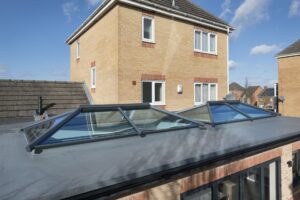
Understanding Roof Lantern Energy Efficiency
The energy efficiency of a roof lantern is primarily determined by the materials used in its construction and its glazing properties. Modern roof lanterns are designed with cutting-edge technology aimed at minimising heat loss, reducing energy consumption, and lowering carbon footprints.
Firstly, the glazing used in roof lanterns can make a significant difference. Double-glazed roof lanterns are common and provide good insulation by trapping air between two glass panes, thus lowering heat transfer. For even greater energy efficiency, opting for triple glazing could be beneficial. This incorporates an additional pane of glass, further enhancing the insulation.
Moreover, advancements in glazing technology include treatments such as low-emissivity (low-E) coatings, which reflect interior heat into the room, maintaining a comfortable temperature without the extra heating costs. These coatings also help in mitigating the amount of ultraviolet and infrared light that passes through the glass without compromising the amount of visible light that enters your home, protecting furniture from sun damage.
Frame materials also play a pivotal role. Aluminium frames, for instance, are not only durable but also have a high strength-to-weight ratio, allowing for slim profiles and larger panes of glass that improve thermal efficiency. The thermal break technology in modern aluminium systems further enhances this by reducing heat transfer.
Design Considerations for Maximising Energy Efficiency
Beyond the materials and technology used, the design of the roof lantern impacts its energy efficiency. A well-designed roof lantern will maximise natural light, reducing the need for artificial lighting, which lowers energy consumption throughout the day. Moreover, the placement and angle of the roof lantern can influence its solar gain and heat loss characteristics. Properly placed roof lanterns can help heat up your home during the colder months with passive solar heating.
Energy Performance Ratings
When choosing a roof lantern, it’s crucial to note the energy performance rating. This rating, usually given in grades from A++ to G (with A++ being the most efficient), measures the total energy performance capability of the product. At Brackenwood Windows, we supply models that meet or exceed current standards set by building regulations, ensuring that you not only meet compliance but exceed expectations in terms of energy efficiency.
Conclusion
In essence, roof lanterns can be as energy-efficient as their design and the choice of materials used. With proper installation and technologically advanced materials, a roof lantern can provide substantial benefits in enhancing natural light while contributing positively to your home’s energy efficiency. To explore energy-efficient roof lantern options tailored to your specific needs, get in touch with Brackenwood Windows. Our team of experts is ready to assist you in finding the ideal solution that merges elegance with energy efficiency. Let us help you enhance your property while optimising your home’s energy use – get a quote or learn more by visiting Brackenwood today.